A mobile workshop truck's power requirement depends on the equipment it carries, the supply each item needs and the combinations used during a repair. Adding the running-power values is a useful starting calculation, but it does not establish whether a generator can start a motor or support a changing welding load. The work schedule must come before the generator selection.
Power equipment also occupies space and adds mass. A configuration that looks attractive on an equipment list may leave too little carrying allowance for technicians, spare parts and job-specific tools. A useful procurement brief therefore connects electrical demand, pneumatic demand, working layout and the completed vehicle's mass budget.
_(1).webp)
Begin with the jobs the team must perform: inspection, pneumatic-tool work, fabrication or another defined maintenance task. For each job, identify the equipment needed at the same time. Lighting and control equipment may remain active while a compressor cycles or a power tool starts, so the base load belongs in every relevant scenario.
Supply characteristics matter as much as a headline power number. Record voltage, frequency and phase, together with the equipment's manufacturer data. A tool's mechanical output rating is not necessarily its electrical input. Likewise, a generator's kW and kVA fields are related quantities that should not be treated as interchangeable labels.
The Cummins generator application manual discusses load characteristics and generator application engineering. Its stationary-installation material should not be copied into a truck installation, but the distinction between steady demand and transient demand is useful when preparing the equipment brief for a vehicle integrator.
Build the schedule from nameplates, manuals and the proposed equipment list. Identify the exact model rather than writing compressor or welder without a reference. Mark missing values as information to obtain; replacing them with assumed generic values can make a complete-looking table misleading.
Equipment field | Information to record | Procurement purpose |
Model and quantity | Exact reference and number fitted | Links calculations to supplied equipment |
Electrical supply | Voltage, frequency and phase | Checks supply compatibility |
Running demand | Input power or current and stated conditions | Establishes the steady-load scenario |
Starting or transient demand | Manufacturer data and duration where provided | Supports generator response assessment |
Work combination | Equipment operating during each repair task | Defines simultaneous demand |
Mass and position | Installed mass and proposed location | Supports vehicle and layout review |
As an arithmetic illustration, suppose an assumed work combination contains 0.4 kW of lighting, a 1.1 kW tool and a 3.0 kW compressor running load. Their steady total is 4.5 kW. These illustrative loads explain the worksheet; actual equipment ratings and generator selection require the proposed configuration. Starting demand and supply compatibility remain separate checks.
Add a second scenario for a different job instead of simply summing every item carried. For example, welding and compressor operation might overlap in the proposed workflow, or the workshop might be designed around a documented sequence. The buyer and integrator should agree which combinations the system must support and how any limitations are communicated to operators.
.webp)
Running load describes equipment after it has reached its operating condition. Starting demand describes a temporary requirement during startup, where applicable. Motor-driven equipment can place a demand on the source that differs from its steady operation. The relevant value depends on the motor, starting arrangement and connected system, rather than a universal multiplier for all tools.
Honda's generator wattage guide distinguishes running and starting requirements for generator loads. Use the principle to identify the data needed, then obtain the actual values for the industrial equipment proposed for the truck. A household or portable-tool example is not a substitute for a workshop compressor's documentation.
The timing of events also matters. A compressor starting while another load is active creates a different scenario from starting it alone. Ask the generator supplier to assess the relevant load steps, expected voltage and frequency behavior, ambient conditions and operating duty. The result should identify the approved equipment combination and operating conditions rather than only a generator nameplate rating.
Welding equipment warrants its own manufacturer data because demand can vary with operating settings and duty. Do not assume that one quoted output-current value supplies everything needed for generator selection. Include the actual machine, intended task and supply requirements in the review.
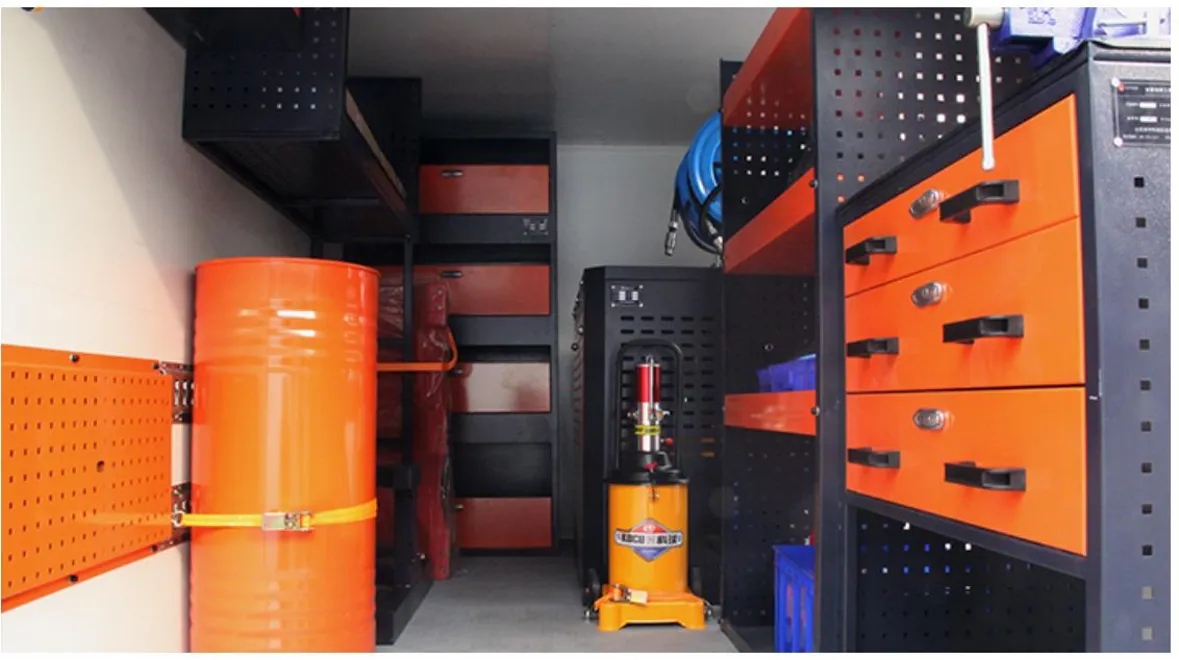
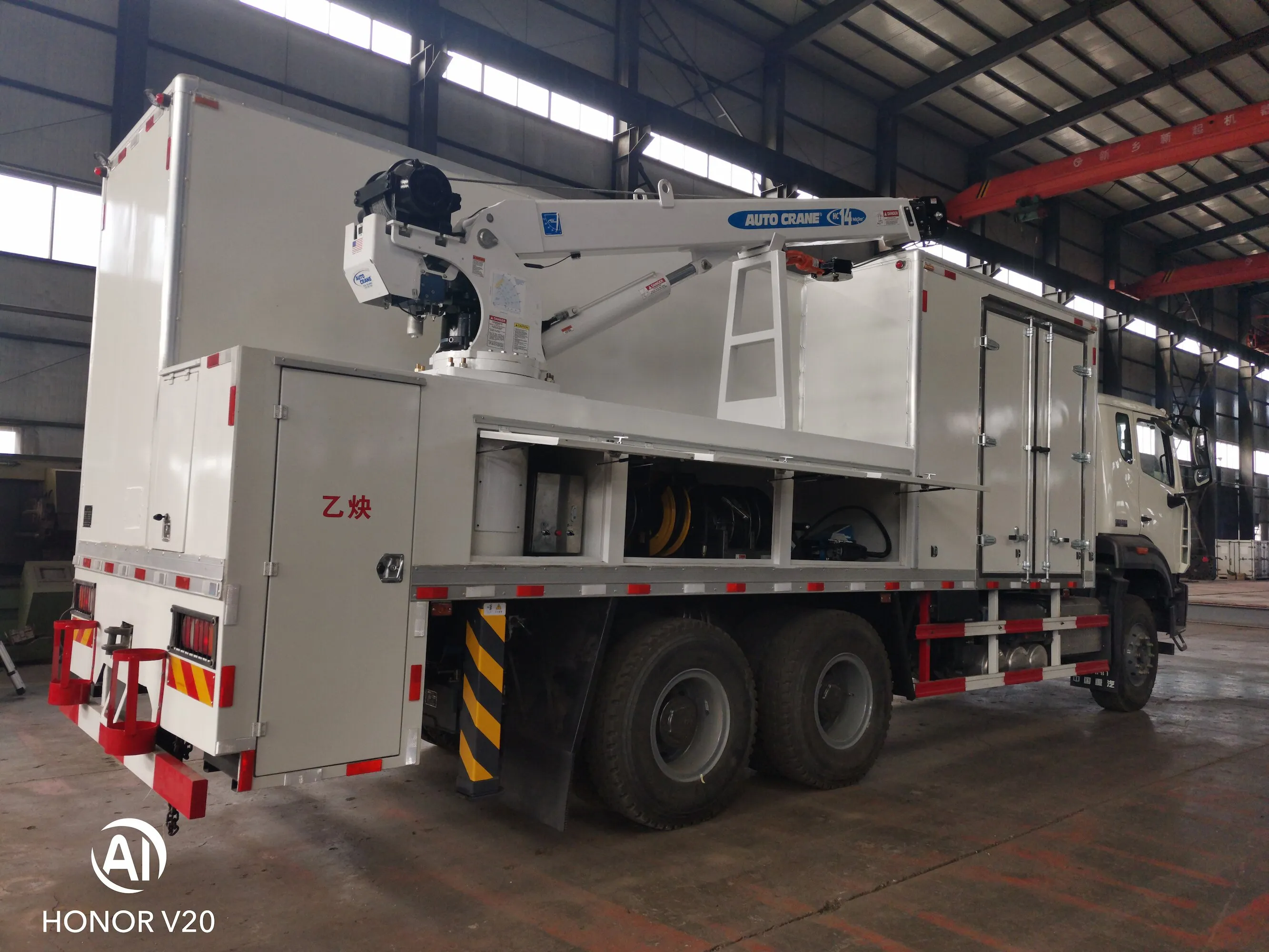
The generator is one item in a larger mass budget. Include the compressor, installed cabinets, benches, batteries where fitted, fuel, cables, hoses, tools, spares and people. Use the agreed operating condition for fluids and equipment so that the meaning of unladen and ready-for-work mass is clear.
Remaining carrying allowance can be screened by subtracting the completed vehicle's ready-for-work mass from the applicable permitted total mass. Axle-load limits and distribution still require a separate assessment; spare total allowance does not prove that every axle has capacity available.
Layout decision | Question for the completed vehicle |
Heavy equipment location | How does it affect axle loads and service access? |
Fuel and consumables | Which operating quantities are included in the mass record? |
Tools and spare parts | What carrying allowance remains for the intended jobs? |
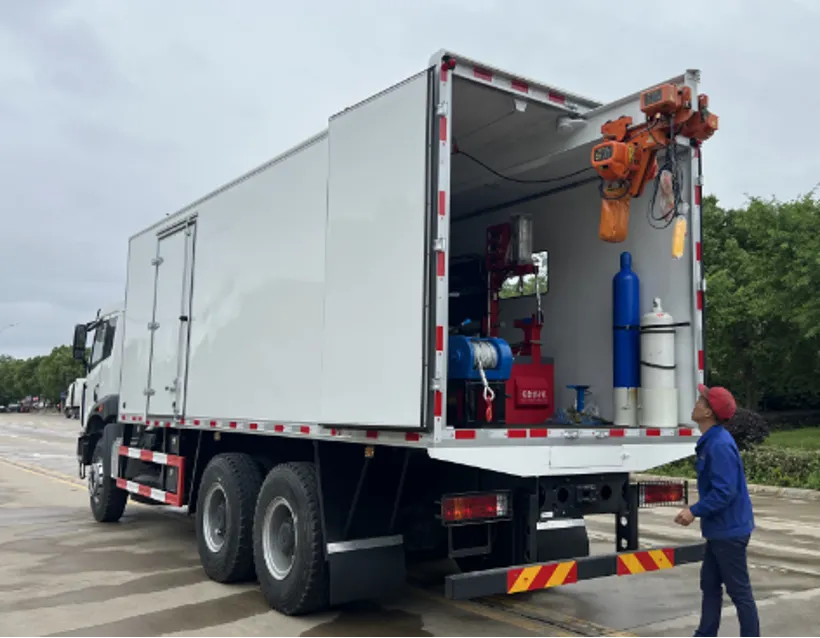
Doors and work areas | Can technicians access equipment and move safely? |
Equipment enclosure | How are supplier installation and ventilation requirements met? |
The UK load-securing guidance provides a jurisdiction-specific reference for retaining carried equipment. Workshop cabinets and loose repair parts need an agreed transport arrangement as well as a convenient working position. Installed equipment also needs mounting designed for its vehicle application.
.webp)
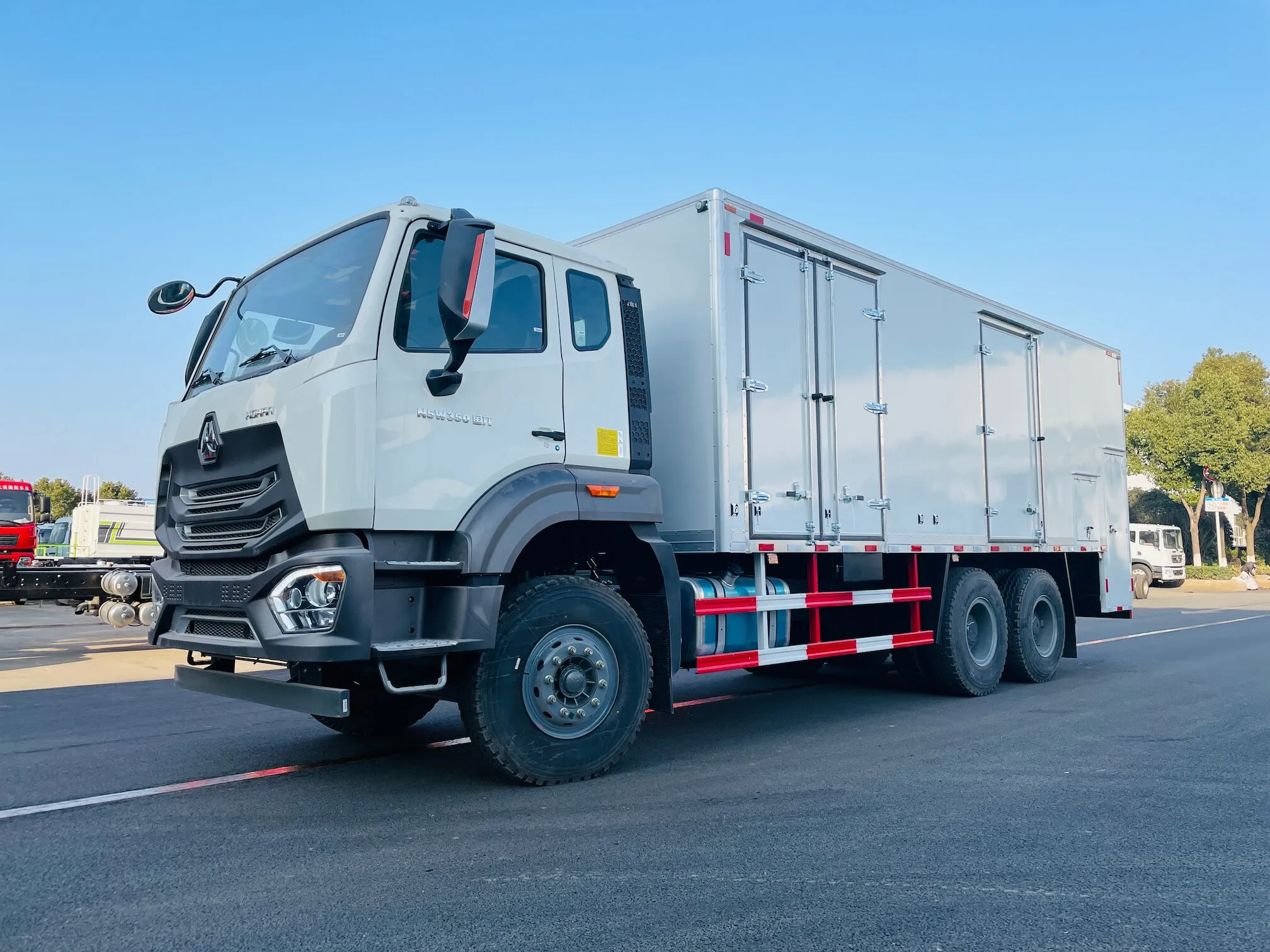
Use the mobile workshop truck page to start the equipment discussion, then request a configuration matched to the team's actual repair tasks. Confirm the chassis, completed dimensions, equipment models, power-source arrangement and mass record together. A catalogue equipment list does not establish that every listed tool can operate simultaneously.
Manten's article on on-site equipment maintenance explains the wider workshop application. For procurement, extend that overview into a document set: equipment schedule, approved work combinations, electrical design, installation drawings, service access and the operating information supplied with the vehicle. Electrical design and installation should be completed by appropriately qualified personnel.
Agree the demonstration before delivery. The record should identify the vehicle, installed equipment, work combination and test conditions. Observe the intended equipment sequence and document the result against the agreed requirement. This is more informative than demonstrating a generator with no representative workshop load attached.
_(1).webp)
Keep the installed-equipment schedule under version control. Replacing a compressor or welding machine can change electrical demand, mass, mounting and service requirements even if the replacement performs a similar repair task. The supplier should assess the affected system fields before the updated list becomes the production configuration.
For fleet use, retain a copy of the approved load combinations with the vehicle documentation. The maintenance supervisor can then plan jobs around the actual installation and identify when a new tool needs review. This is more useful than a single generator rating disconnected from the equipment carried. Include the completed configuration in the handover record so later additions can be assessed against a known baseline.
Only if the complete system has been assessed and specified for that combination. Equipment count and generator headline power do not establish simultaneous capability. The approved schedule should state the combinations supported by the supplied installation.
Yes, for equipment with relevant starting or transient demand. Obtain model-specific information and review the event while other intended loads are active. Avoid choosing a fixed startup factor without the equipment and generator suppliers' data.
Added equipment uses mass and space that might otherwise carry tools or parts. The final allowance depends on the completed vehicle and applicable limits. Check total mass and axle distribution after the installation is defined.
A useful workshop specification begins with real jobs and named equipment. It then connects simultaneous demand, startup behavior, installation needs and the vehicle's available carrying allowance. The generator rating becomes the result of that review.
Provide Manten with the tool list, repair scenarios and expected spares load. Request a coordinated vehicle proposal and an agreed demonstration of the intended work combinations. This gives the maintenance team a configuration it can evaluate against its daily tasks.
Innovative Applications of Live Fish Transport Truck in Conservation EffortsJanuary 26, 2024In recent years, the field of conservation has witnessed remarkable advancements, with researchers and organizations constantly exploring innovative approaches to protect the planet's wildlife. On...view
Bitumen Truck: Innovation and Reliability in Asphalt TransportationDecember 24, 2025The transportation of bitumen presents unique challenges that demand specialized equipment designed for safety, efficiency, and environmental responsibility. As a leading manufacturer of special vehic...view
Is an Aerial Work Platform Truck Right for Your Next Project?—A Practical Buyer’s GuideMay 26, 2026If you manage infrastructure maintenance, run a construction crew, or oversee municipal services, you have probably wrestled with the same question more than once: How do we get people and tools up th...view
Safety Precautions for LPG Gas Tanker TruckDecember 24, 2024The improper transportation of hazardous chemicals can have significant consequences. Accidents involving liquefied petroleum gas (LPG) tank trucks differ from general hazardous chemical transportatio...view
How to Specify a Bulk Feed Truck from China: Capacity, Chassis, Unloading and ComplianceSeptember 24, 2026Many international buyers begin a bulk feed truck inquiry with only two figures: tank volume and price. Those figures are useful, but they are not enough to select a vehicle that can legally carry the...view
Milk Tanker Semi-Trailer Leads the Revolution in Fresh Milk TransportationJune 1, 2024In the field of fresh milk transportation, a new semi-trailer milk tanker is spearheading a technological revolution. This vehicle not only meets the stringent requirements of fresh milk transportatio...view