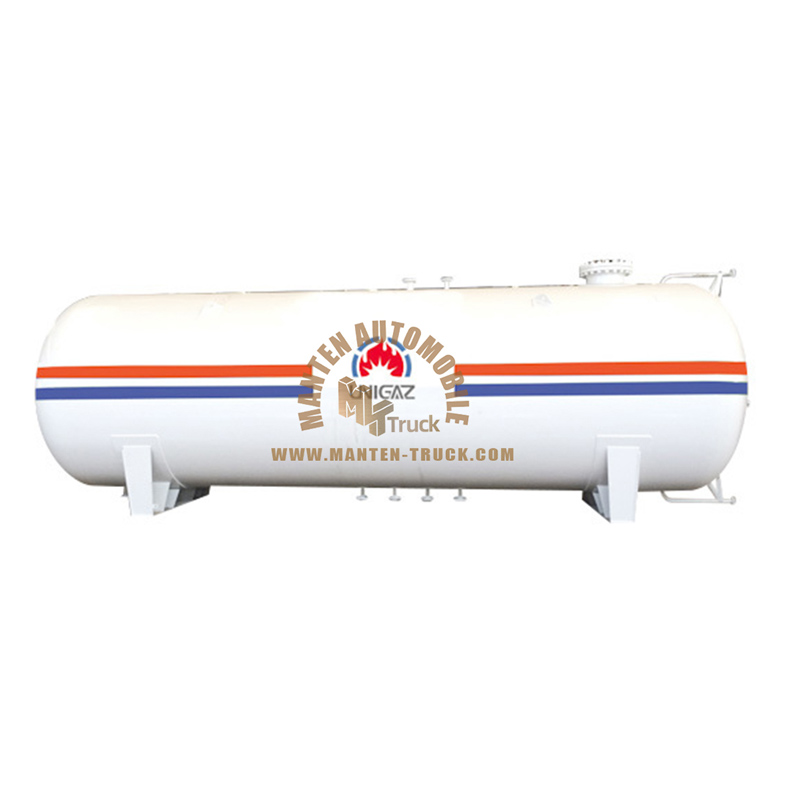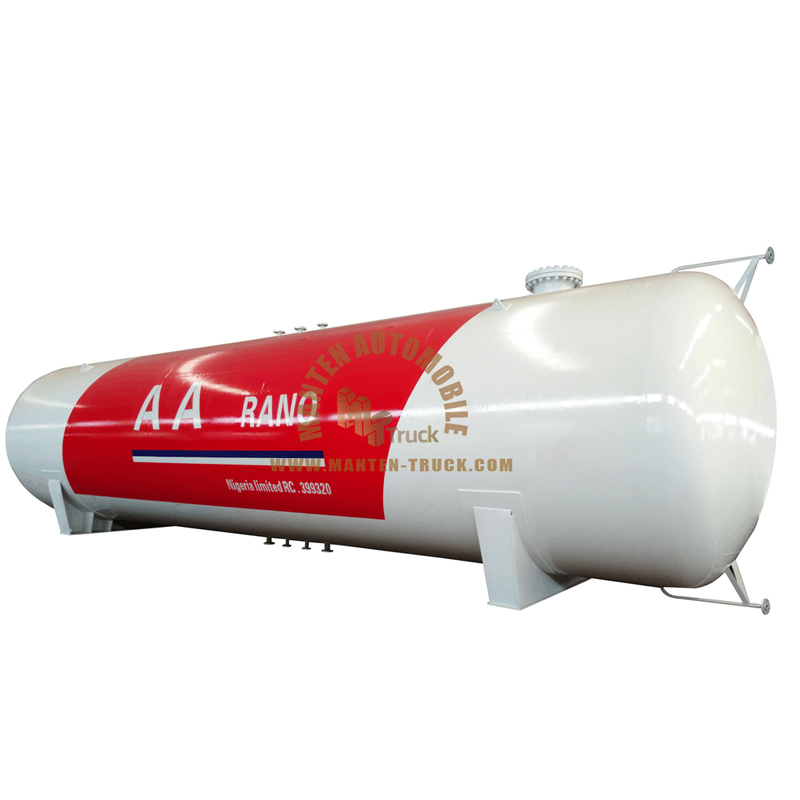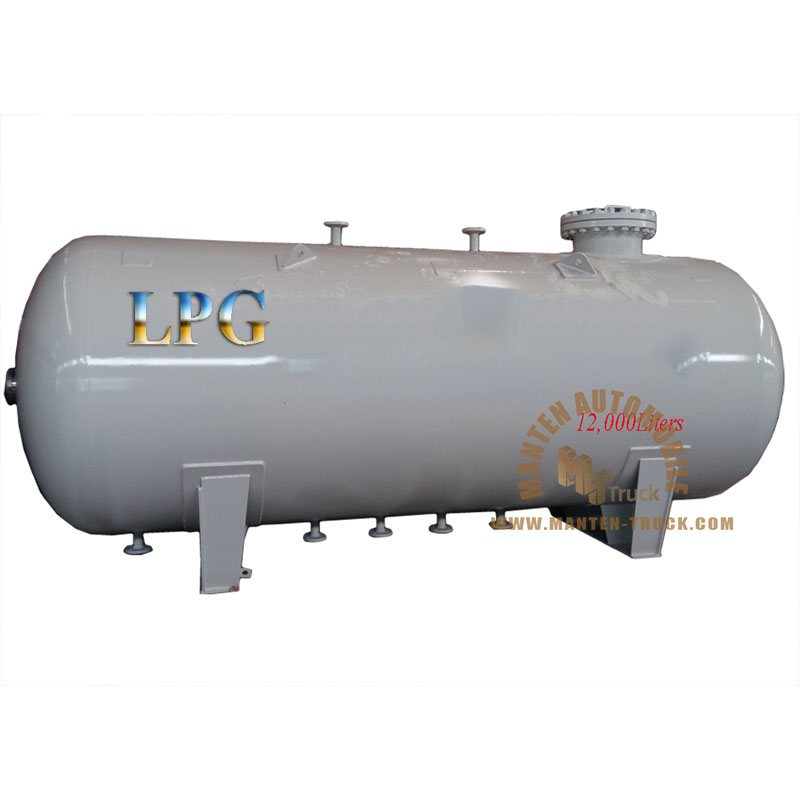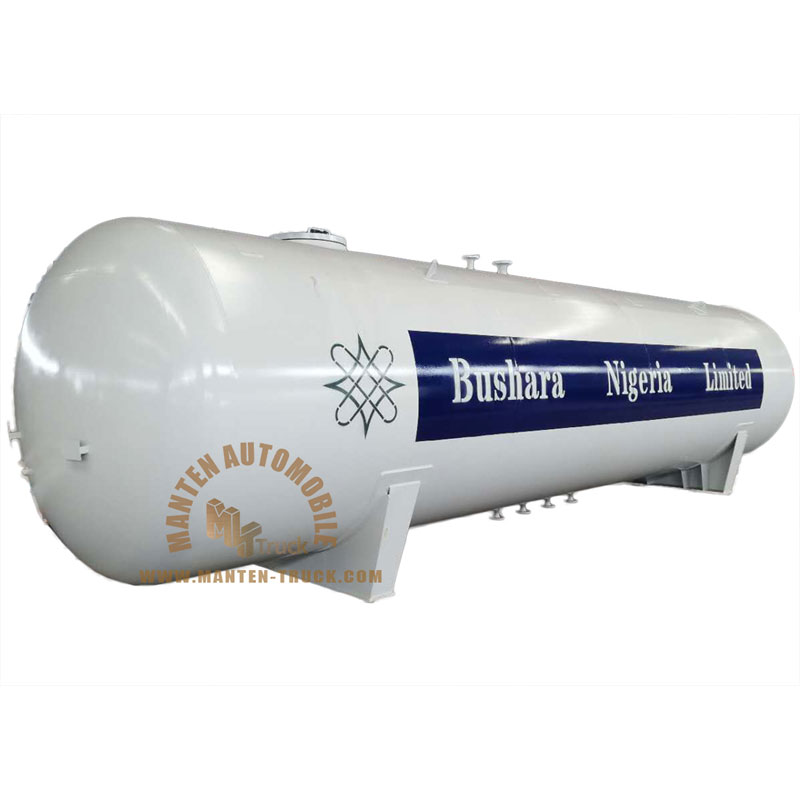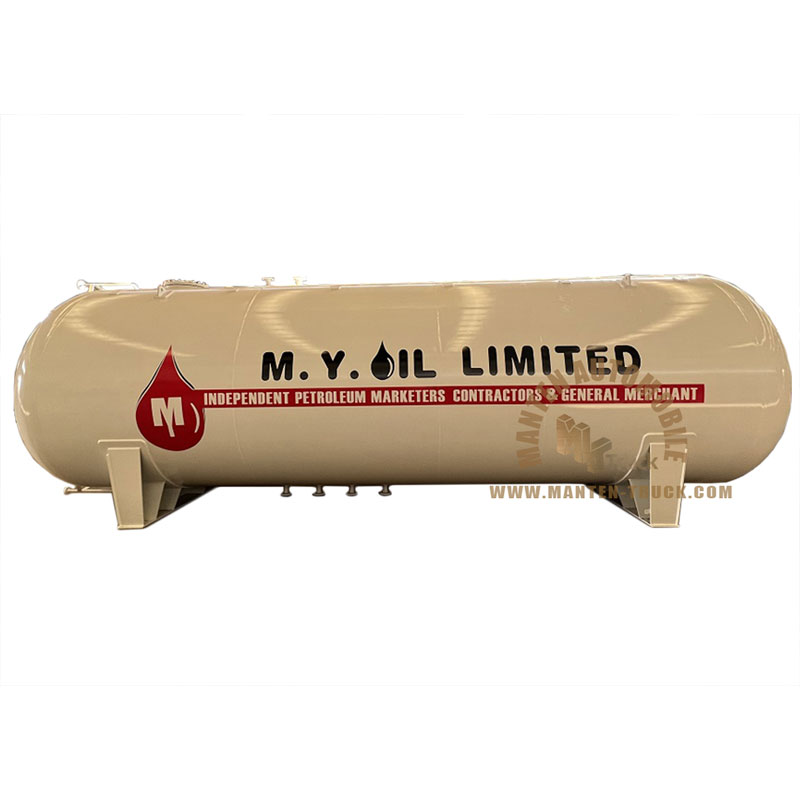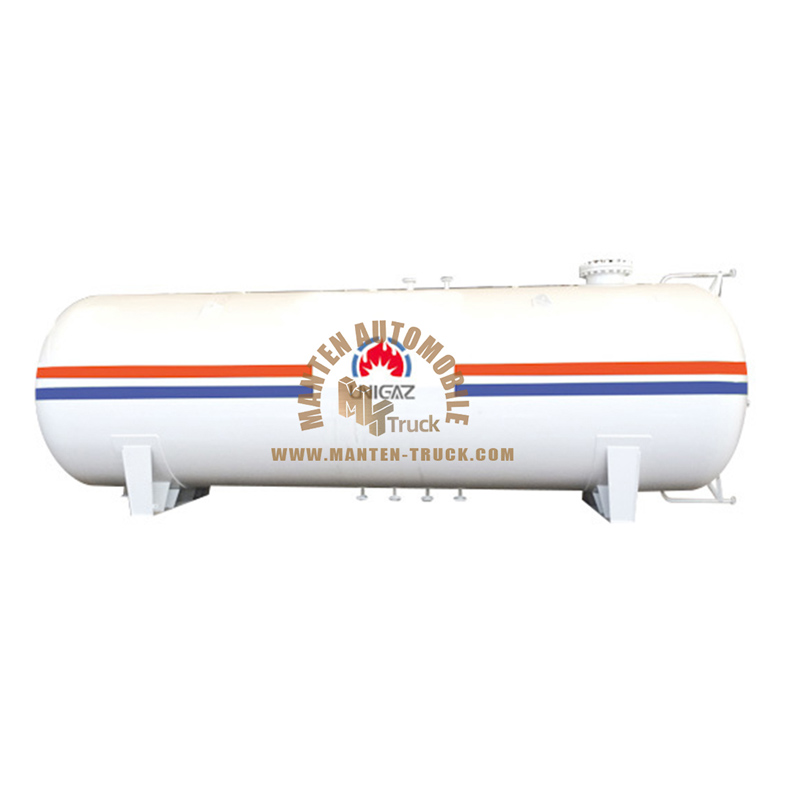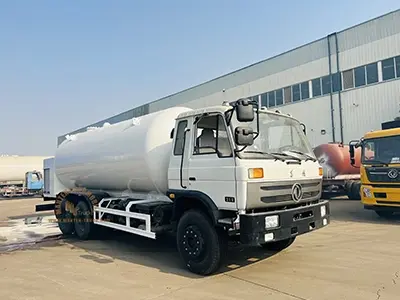
The installation and safe operation of LPG Storage Vessel are critical processes that demand precision, compliance with regulations, and adherence to best practices in engineering and safety. As a responsible manufacturer of special vehicles and storage solutions, Manten emphasizes integrity, performance, and environmental sustainability in every step of LPG storage vessel production and deployment. Their commitment to excellence and safety-first philosophy ensures that their tanks meet strict industry standards while delivering reliable performance.
The successful installation of an LPG storage vessel requires careful planning and execution. Factors such as ground stability, proximity to buildings and ignition sources, and accessibility for maintenance must all be considered. Manten's production philosophy of "excellence and safety first" reflects in their engineering approach—ensuring that vessels are constructed for both performance and durability. Proper placement is crucial to prevent accidents, minimize leaks, and ensure compliance with local and international safety regulations.

When selecting an LPG storage vessel, one key decision is whether to install it above ground or underground. Above-ground tanks are easier to inspect and maintain, but they require additional safety measures such as fireproof barriers. Underground tanks, on the other hand, are less visible and better protected against external impacts, but they require corrosion-resistant materials and more complex leak detection systems. Manten's LPG storage tanks are designed for flexibility, supporting both configurations while adhering to rigorous safety standards.

Safety is paramount in handling LPG Storage Vessel, given the flammable nature of liquefied petroleum gas. Manten incorporates multiple protective features into their tanks, including pressure relief valves, emergency shutdown systems, and robust steel construction to prevent ruptures. Their "build green enterprises, build environmentally friendly cars" principle ensures that environmental risks are minimized through leak-proof designs and responsible manufacturing practices. Regular inspections, gas detectors, and proper ventilation systems further enhance operational safety.

Different countries and regions impose strict regulations on LPG storage vessel installations. Compliance with standards such as ASME, EN 12493, and NFPA 58 is essential to avoid legal penalties and ensure safe operation. Manten's R&D philosophy of "learning, independence, innovation, and transcendence" drives continuous improvement in meeting and exceeding these regulations. Companies must also conduct pressure tests, obtain proper certifications, and ensure personnel are trained in safe handling and emergency response protocols.

To maximize the lifespan and reliability of an LPG storage vessel, regular maintenance is crucial. Inspections should monitor corrosion, valve functionality, and structural integrity. Manten's "performance-first" work philosophy extends beyond production—encouraging users to implement preventive measures such as protective coatings and scheduled professional inspections. Proper maintenance not only ensures safety but also enhances operational efficiency and cost-effectiveness over time.
The proper installation and management of LPG Storage Vessel are vital for safety, efficiency, and regulatory compliance. With Manten's strong company culture centered on responsibility, innovation, and performance, their LPG storage tanks represent a dependable choice for industries requiring high-quality, safe, and environmentally conscious solutions. For more details on their LPG storage vessel products, visit Manten's official website.
By following best practices in installation, adhering to safety regulations, and conducting routine maintenance, businesses can ensure safe and efficient LPG storage operations for years to come.

Global Military Truck Export Market Booms with Rising DemandJune 1, 2024As the world's military landscapes evolve and the need for efficient logistics solutions intensifies, the global military truck export market is experiencing unprecedented growth. This surge in de...view
Structure and Maintenance of Cement Mixer TruckJuly 12, 2023Cement mixer trucks are specialized trucks used to transport cement for construction. Due to their appearance, they are also commonly referred to as "snail vehicles". These trucks are equipp...view
What Causes the Sprinkler Truck to Leak Oil?May 22, 2023If a sprinkler truck leaks oil during use, it will directly affect its technical performance, cause waste of lubricating oil and fuel, consume power, affect the cleanliness of the vehicle, and cause e...view
Revolutionizing Live Fish Transport: The Manten Fish Carrier TruckJune 7, 2023Introduction:The transportation of live fish is a critical aspect of the aquaculture industry. Ensuring the well-being and safety of fish during transit is crucial to maintain their quality and value....view
Tips and Precautions for Using Fire Cannons on Firefighting TrucksAugust 2, 2023Firefighting truck water cannons are composed of a base, inlet pipe, rotating body, water collecting pipe, jet regulation ring, handle, and locking mechanism. The gun body can be rotated horizontally ...view
Safety Precautions for LPG Gas Tanker TruckDecember 24, 2024The improper transportation of hazardous chemicals can have significant consequences. Accidents involving liquefied petroleum gas (LPG) tank trucks differ from general hazardous chemical transportatio...view