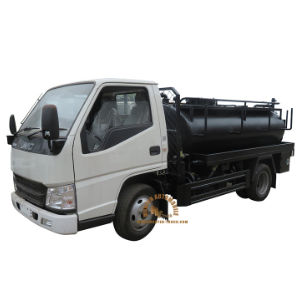
Fecal suction trucks play a crucial role in maintaining public sanitation and hygiene. These trucks are responsible for collecting and transporting human waste from various locations to treatment facilities. To ensure the smooth operation of these trucks and prevent any health hazards, regular maintenance and cleaning procedures must be followed. In this blog, we will discuss the importance of maintaining and cleaning fecal suction trucks, as well as the steps involved in keeping them in optimal condition.

Fecal suction trucks are exposed to harsh environmental conditions and come in direct contact with hazardous waste materials. Without proper maintenance, these trucks can experience mechanical failures or leaks, which can result in contamination of the environment and pose a health risk to workers and the public. Regular maintenance helps to prevent breakdowns, extend the lifespan of the truck, and ensure its efficiency in waste collection and transportation.

One of the most critical aspects of maintaining a fecal suction truck is keeping it clean. After each use, the interior of the tank must be thoroughly rinsed and disinfected to remove any residual waste or bacteria. This process involves pumping out any remaining waste, flushing the tank with clean water, and using disinfectants to kill any remaining pathogens. Additionally, the exterior of the truck should be washed regularly to remove dirt and grime that can accumulate on the surface.

In addition to cleaning, regular inspections of the truck's components are essential to detect any potential issues early on. Checking for leaks, loose fittings, or damaged hoses can help prevent major problems from occurring during operation. Any worn or faulty parts should be replaced immediately to avoid compromising the truck's functionality. Regular maintenance checks should also include inspecting the pump, valves, and filters to ensure they are operating correctly.
To maintain the integrity of a fecal suction truck in the long term, several best practices should be followed. Keeping detailed records of maintenance schedules and inspections can help track the truck's performance and identify any recurring issues. It is also essential to train operators on proper cleaning and maintenance procedures to ensure consistent quality and safety standards. Regularly servicing the truck's engine, brakes, and other mechanical components will help prevent costly repairs and downtime.
In conclusion, maintaining and cleaning a fecal suction truck is crucial for its efficient operation and the safety of those using it. By following regular maintenance schedules, cleaning procedures, and inspection protocols, owners can ensure their trucks remain in optimal condition and continue to perform their essential sanitation duties. Fecal suction trucks are an essential part of public health infrastructure, and it is vital that they are properly maintained to prevent any health risks or environmental hazards associated with their use.
Height and Functions of Aerial Ladder Fire TruckApril 19, 2023With the aerial ladder fire trucks gradually being distributed to grass-roots units, the ability to rescue high-rise building fires has been further improved. However, the aerial ladder fire truck is ...view
Shacman X3000 12TON LPG Refilling TruckJuly 21, 2023In July 2023, our company completed the Shacman X3000 left-hand drive 12ton 24 cubic meter LPG tank truck with filling system.The vehicle adopts Shacman X3000 left-hand drive chassis, high-roof cab wi...view
The Benefits of Using Skip Loader Garbage Trucks for Waste CollectionJuly 12, 2024In today's world, proper waste management is crucial for environmental sustainability. Skip loader garbage trucks are versatile vehicles that offer several benefits for waste collection. One of th...view
Basic Characteristics of Aerial Ladder Fire TruckJuly 12, 2023Aerial ladder fire truck is equipped with a hydraulic lifting platform for firefighters to rescue people, extinguish fires, and save valuable goods on high-rise buildings, tall facilities, oil tanks a...view
Innovations in Live Fish Transport Systems: Ensuring the Health and Welfare of Aquatic LifeJune 12, 2023IntroductionThe transportation of live fish has long been a critical aspect of the aquaculture and fisheries industry. Whether it's transferring fish from hatcheries to farms, transporting exotic ...view
Tank Truck Main Safety FacilitiesSeptember 30, 2022There are generally mobile safety facilities on the tanker: mechanical breathing valve, hydraulic safety valve, flame arrester, measuring hole, manhole, lighting hole, oil inlet and outlet, foam gener...view