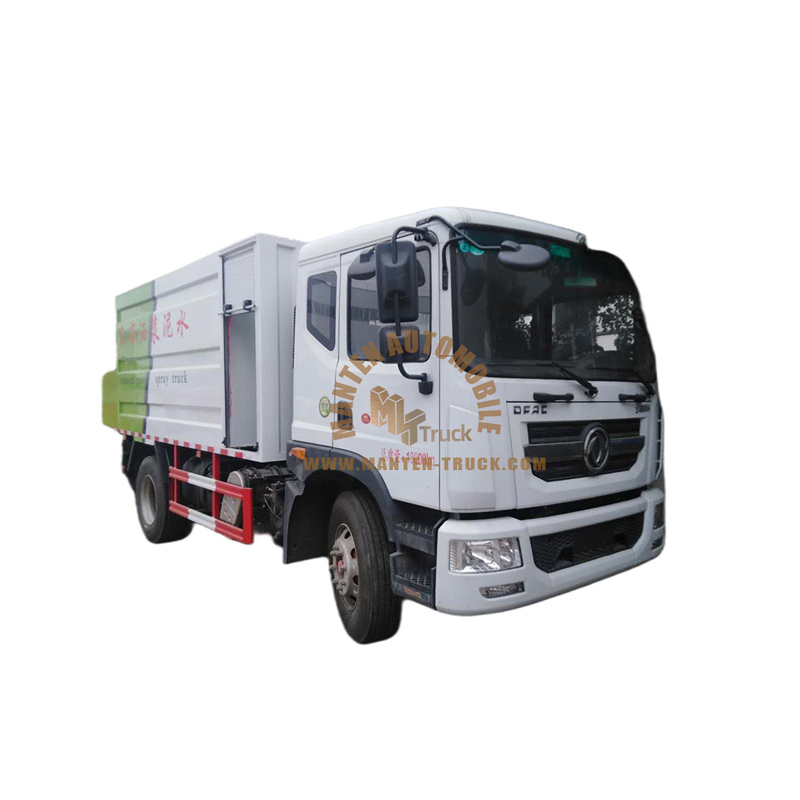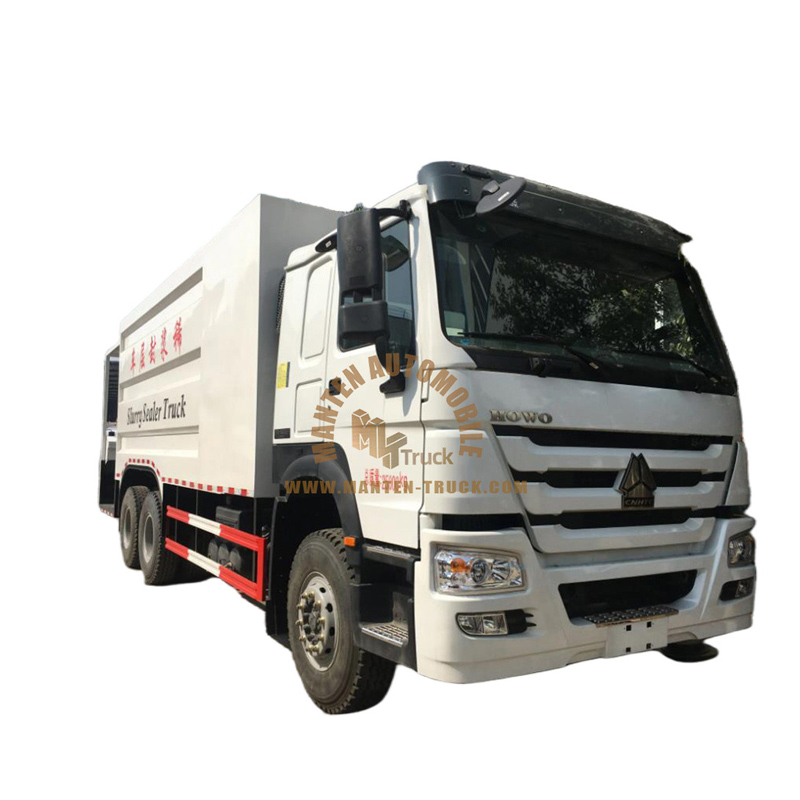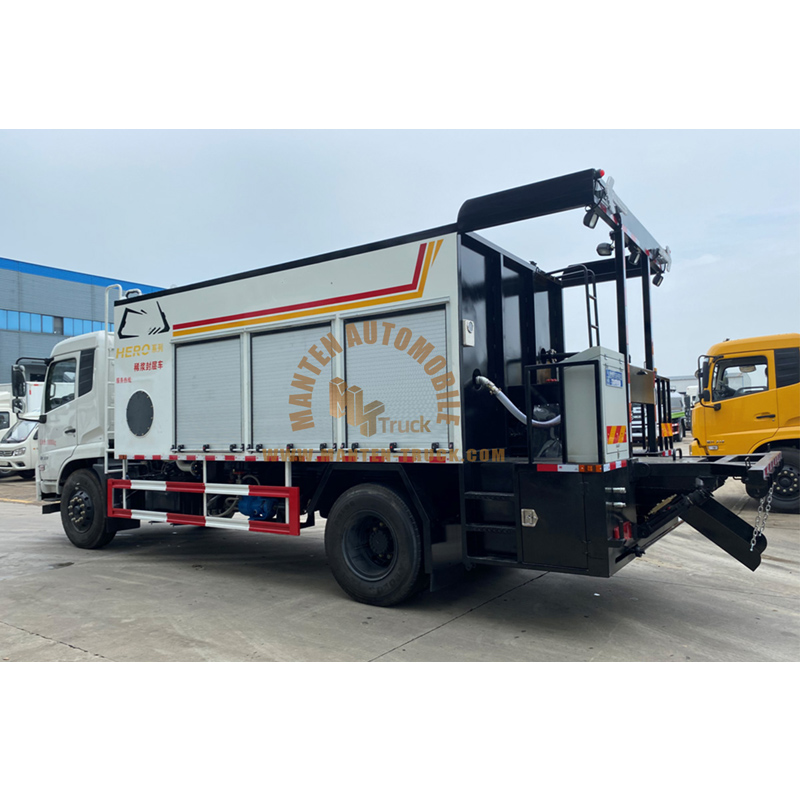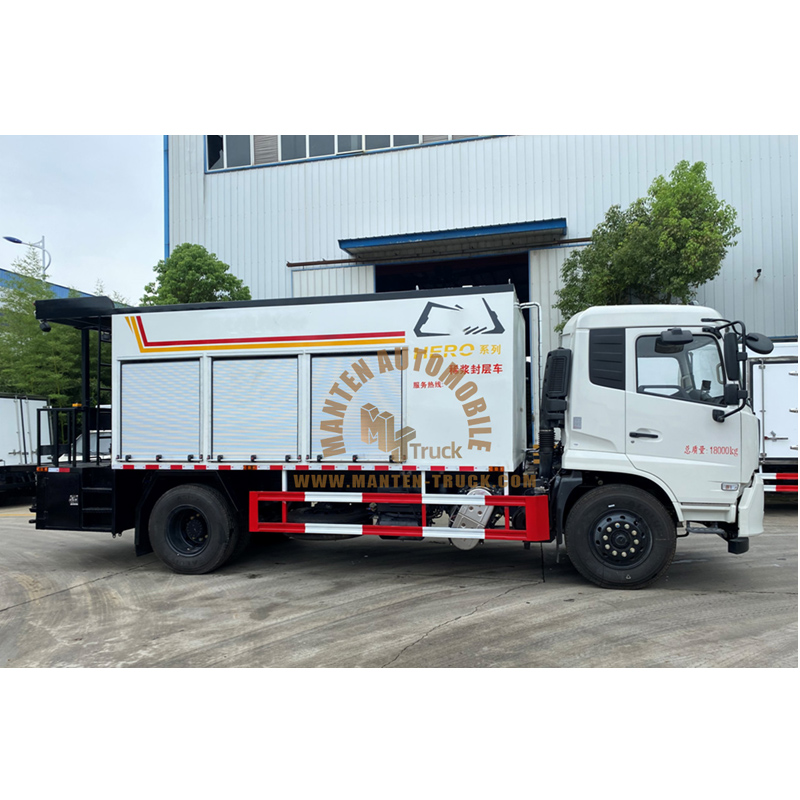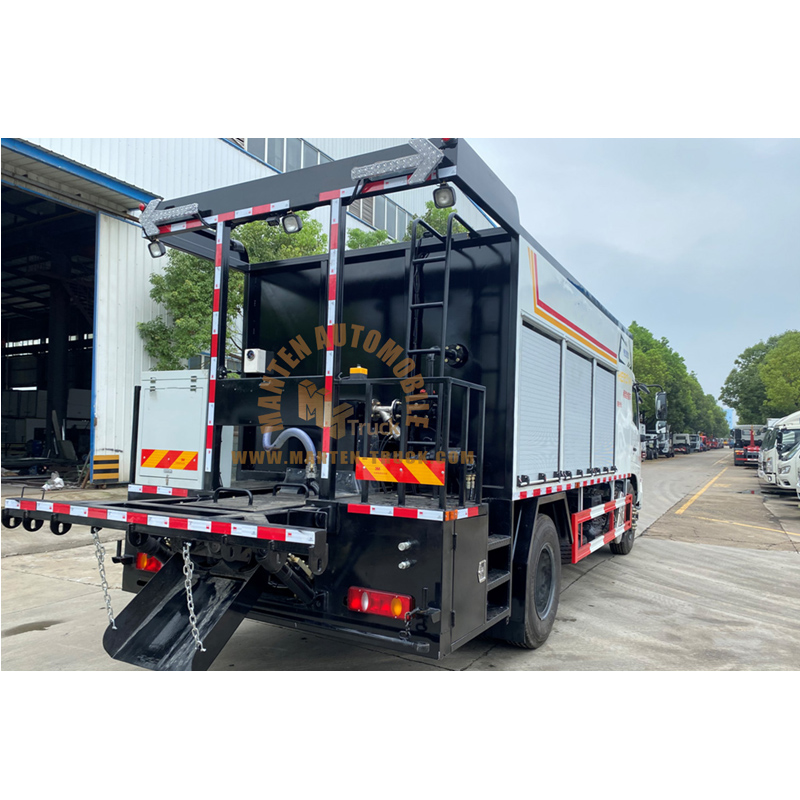
The slurry seal truck has become an essential piece of equipment for modern pavement preservation, offering an efficient way to extend road life while minimizing costs. As Manten continues its mission to "be the most trusted special vehicle company," its slurry seal truck are designed with precision, safety, and environmental responsibility in mind. To maximize the benefits of this equipment, operators must adhere to proper application techniques and safety protocols. This article explores the correct operational methods and critical precautions for achieving optimal performance with slurry seal truck.
Successful slurry sealing begins with selecting the right environmental and pavement conditions. Optimal performance is achieved when temperatures are between 50°F and 90°F (10°C and 32°C), as extreme heat or cold can affect curing time and material adhesion. Manten's R&D philosophy of "innovation and transcendence" ensures that its slurry seal truck are equipped with advanced controls to adapt to varying weather conditions, but operators should still avoid applying slurry during rainy or excessively humid weather. Additionally, the road surface must be thoroughly cleaned and free of loose debris to ensure proper bonding.

The application process with a slurry seal truck requires careful coordination and adherence to best practices. First, operators should ensure all components—including the mixer, spreader box, and spray system—are functioning correctly. Manten's production philosophy of "excellence, safety first" is reflected in the truck's automated mixing process, which maintains a consistent ratio of asphalt emulsion, aggregates, and additives. Once the mixture is prepared, the truck should move at a steady speed, ensuring even distribution without streaks or gaps. Training and familiarity with the equipment, as emphasized in Manten's work philosophy of "high efficiency, innovation," are crucial for achieving uniform results.

Working with slurry seal materials involves exposure to hot components, moving machinery, and chemicals, making strict safety protocols essential. Manten's entrepreneurial spirit of "thinking about change in the face of danger" drives its focus on operator protection. All personnel should wear heat-resistant gloves, safety goggles, and high-visibility vests. Emergency shut-off switches and spill containment systems—integrated into Manten's slurry seal truck—must be checked before operation. Furthermore, proper ventilation should be maintained when handling emulsified asphalt to prevent inhalation risks.

To ensure the slurry seal truck remains in peak condition, routine maintenance must be followed. After each use, the mixing tank and spray system should be flushed with water to prevent material buildup. Hydraulic hoses, seals, and valves need regular inspections to detect wear and prevent leaks, aligning with Manten's values of "performance and integrity." Storing the truck in a dry, covered environment helps prevent rust and prolongs the life of critical components.

Even with advanced machinery, errors in operation can compromise the quality of the seal coat. Some frequent mistakes include applying too thick or too thin a layer, leading to premature wear or poor curing. Another issue is miscalculating mixture proportions, which can result in weak adhesion or cracking. Manten's "win-win cooperation" philosophy underscores the importance of proper training and communication among crew members to avoid these pitfalls.

When used correctly, slurry seal truck provide a cost-effective and durable solution for pavement preservation. Following best practices—from ideal weather conditions to proper maintenance—ensures optimal results while prioritizing worker safety. As Manten continues to innovate under its vision of being the "most trusted special vehicle company," its slurry seal truck remain a reliable choice for road maintenance professionals worldwide.
For more information on advanced slurry seal solutions, visit Manten's official slurry seal truck page and discover how these machines align with sustainable and efficient road maintenance practices. Proper operation and care will not only extend the road's lifespan but also maximize the return on investment in pavement preservation.
Mobile Workshop Trucks Are Revolutionizing On-Site Equipment MaintenanceDecember 24, 2025In today's fast-paced industrial environment, downtime costs money. The mobile workshop truck has emerged as a game-changing solution for immediate equipment repairs and maintenance in the field. ...view
Global Military Truck Export Market Booms with Rising DemandJune 1, 2024As the world's military landscapes evolve and the need for efficient logistics solutions intensifies, the global military truck export market is experiencing unprecedented growth. This surge in de...view
Tank Truck Main Safety FacilitiesSeptember 30, 2022There are generally mobile safety facilities on the tanker: mechanical breathing valve, hydraulic safety valve, flame arrester, measuring hole, manhole, lighting hole, oil inlet and outlet, foam gener...view
How Many Types of Firefighting Trucks Are There?July 12, 2023We often see various firefighting trucks on the streets, in fact, they are manufactured by numerous different manufacturers. Let's take a look at the different types of firefighting trucks togethe...view
The Vital Role of Live Fish Transport Trucks in AquacultureJanuary 26, 2024Aquaculture, also known as fish farming, is an essential industry that ensures a steady supply of fish for human consumption. With the increasing demand for fish products, the transportation of live f...view
Innovations in Live Fish Transport Systems: Ensuring the Health and Welfare of Aquatic LifeJune 12, 2023IntroductionThe transportation of live fish has long been a critical aspect of the aquaculture and fisheries industry. Whether it's transferring fish from hatcheries to farms, transporting exotic ...view