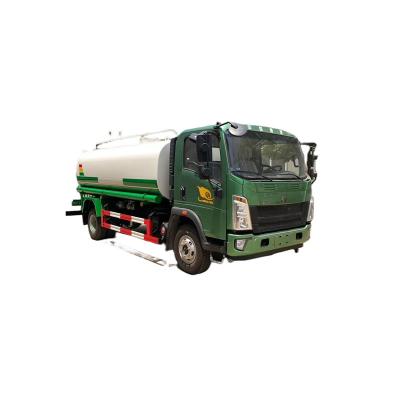
The working environment of spark plugs is extremely harsh, as they have to withstand high temperatures, high pressures, and corrosive exhaust gases after combustion. Nevertheless, the working temperature of spark plugs cannot be too low. If the temperature is too low, the insulation material on the spark plugs is prone to carbon buildup, which eventually leads to misfires due to electrical leakage. At this time, we need to understand the reasons for the low working temperature of spark plugs in firefighting trucks and take measures to prevent it.
Firefighting trucks basically have two main functions for spark plugs: sealing the spark plug hole to maintain cylinder pressure and generating sparks in the combustion chamber to ignite the fuel mixture and generate power. Usually, high voltage electricity of about 20,000 to 30,000 volts is supplied to the spark plug from the ignition coil through the distributor cap and the wire. Additionally, the spark plug electrode must be constantly in a high-temperature combustion chamber with an environment of over 45 times atmospheric pressure, and it must maintain high airtightness. Therefore, in such a harsh environment, the quality and durability of spark plugs will directly affect the performance of the engine, so they should not be overlooked. The factors that affect the low working temperature of spark plugs in firefighting trucks are as follows:
Different cold and hot models of spark plugs have different heat dissipation speeds. Cold-type spark plugs dissipate heat very quickly, while hot-type spark plugs have a relatively slow heat dissipation speed. To ensure stable operation of the spark plugs at the specified temperature, cold-type spark plugs must be used for engines with high compression ratios and high calorific values to increase heat dissipation speed. Conversely, hot-type spark plugs should be chosen for engines with low calorific values. If a cold-type spark plug is still chosen for an engine with low calorific value, the working temperature of the spark plug in the firefighting truck will inevitably be too low to clean itself.
Fuel composition affects carbon buildup on spark plugs. For example, the higher the proportion of olefins in fuel composition, the easier it is to have incomplete combustion, resulting in carbon buildup on spark plugs. If the fuel mixture is unevenly mixed, especially in direct injection engines, incomplete combustion can easily occur, leading to carbon buildup on spark plugs. If the ignition coil is abnormal or the ignition energy is insufficient, incomplete combustion or misfires may occur, resulting in carbon buildup on spark plugs which is not easy to remove. When the working temperature of the spark plug is lower than the self-cleaning temperature, the spark plug cannot reach the conditions for self-cleaning, and the resulting carbon deposits will accumulate on the ceramic insulator of the spark plug and cause short circuits.
When the firefighting truck engine is working in summer, carbon buildup on spark plugs is not easy to occur. In addition, in northern regions, the average working temperature of the same engine in winter is 5-10 °C lower than in summer. Therefore, when selecting spark plugs, a hotter type of spark plug should be chosen for winter use.
In order to prevent air leakage between the spark plug and the cylinder, firefighting trucks sometimes add seal gaskets to the spark plug indiscriminately, leading to a decrease in the tightening force of the spark plug and damage to the threads. Also, the contact area between the spark plug and the cylinder increases, which increases the heat dissipation speed of the spark plug, causing the working temperature of the spark plug to be too low.
If the working temperature of the spark plug is inappropriate, the firefighting truck may experience a lack of power, increased fuel consumption, unstable engine operation, and emission of smoke from the exhaust. Therefore, we recommend that firefighters regularly maintain spark plugs, and most importantly, choose appropriate spark plugs.
Height and Functions of Aerial Ladder Fire TruckApril 19, 2023With the aerial ladder fire trucks gradually being distributed to grass-roots units, the ability to rescue high-rise building fires has been further improved. However, the aerial ladder fire truck is ...view
How to Find The Right Aerial Fire Engine for A City FireSeptember 30, 2022To support the needs of the city community and, where applicable, to support mutual assistance in neighboring cities, Fire Department Procurement Representatives have a number of equipment options to ...view
Rising Demand for Maintenance Trucks in African Mining Sites Marks a New Trend in the Special Vehicle IndustryJuly 25, 2024Rising Demand for Maintenance Trucks in African Mining SitesThe African mining industry has experienced a significant rise in the demand for maintenance trucks in recent years. This surge in demand ha...view
Innovative Applications of Live Fish Transport Truck in Conservation EffortsJanuary 26, 2024In recent years, the field of conservation has witnessed remarkable advancements, with researchers and organizations constantly exploring innovative approaches to protect the planet's wildlife. On...view
Maintenance and Cleaning Procedures for Fecal Suction TrucksJuly 12, 2024Fecal suction trucks play a crucial role in maintaining public sanitation and hygiene. These trucks are responsible for collecting and transporting human waste from various locations to treatment faci...view
Innovations in Live Fish Transport Systems: Ensuring the Health and Welfare of Aquatic LifeJune 12, 2023IntroductionThe transportation of live fish has long been a critical aspect of the aquaculture and fisheries industry. Whether it's transferring fish from hatcheries to farms, transporting exotic ...view