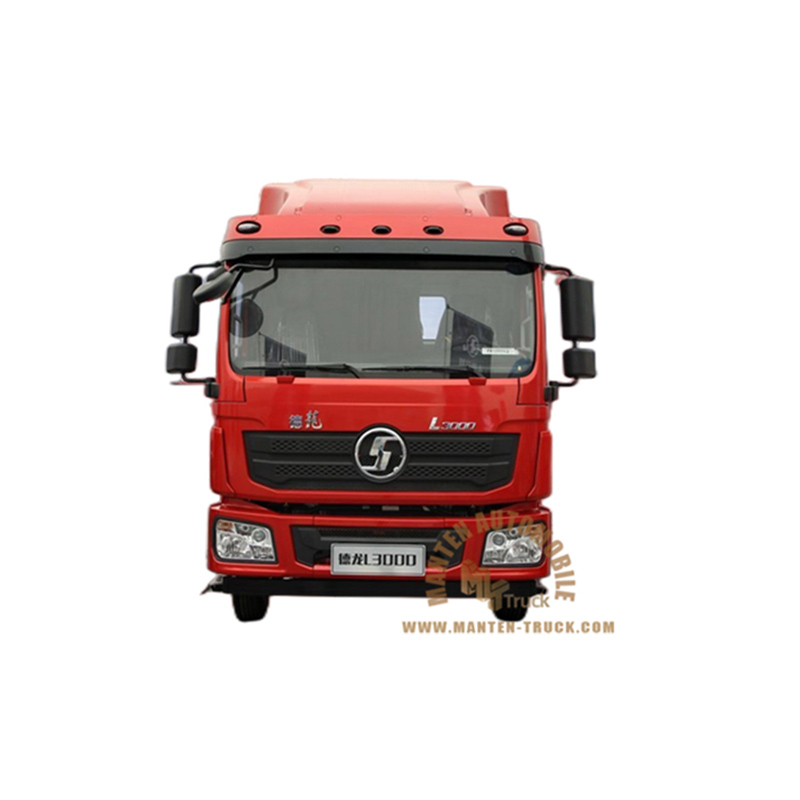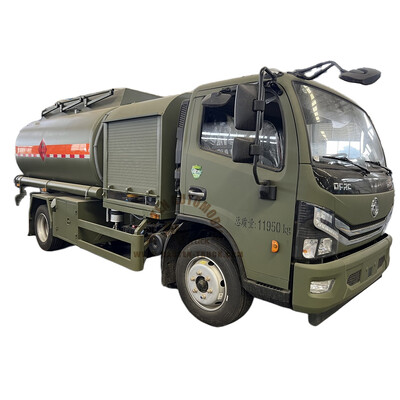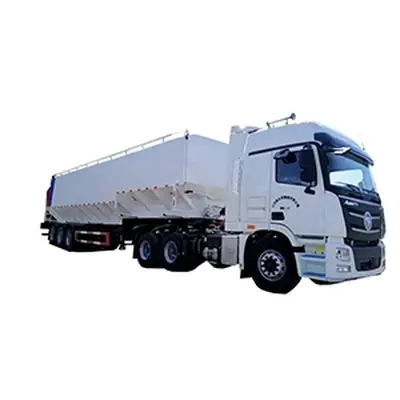
An LPG bobtail combines a tank and truck chassis in one vehicle, while an LPG tank trailer operates with a separate tractor. The choice depends on delivery quantity, route access, receiving facilities and fleet organization. Neither vehicle format is automatically the right answer for every LPG business, and a larger tank does not by itself establish a more productive delivery route.
Start by separating the transport task from the transfer equipment. A vehicle may move LPG between bulk facilities, serve multiple customers or support another defined distribution operation. The tank, chassis and unloading system must be specified for that task together. This comparison concerns procurement requirements; transfer operations follow the approved equipment instructions and trained operator procedures.

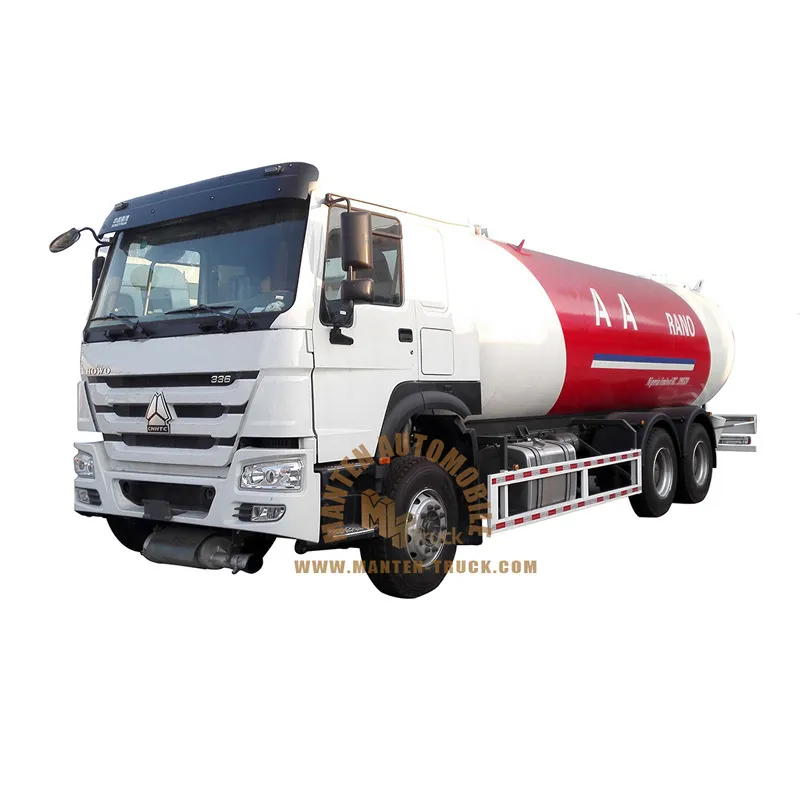
In LPG distribution, a bobtail is a tank mounted on a rigid truck chassis. The vehicle combines the cab, running gear and tank installation into one unit. Buyers commonly consider this arrangement for deliveries where access and repeated customer stops are important, but the actual dimensions and equipment determine its suitability.
The term does not establish a single capacity, wheelbase or dispensing package. A quotation should identify the tank's documented volume, permitted loaded configuration, chassis, transfer equipment and any metering system included. Do not assume that every product described as a bobtail has identical delivery functions.
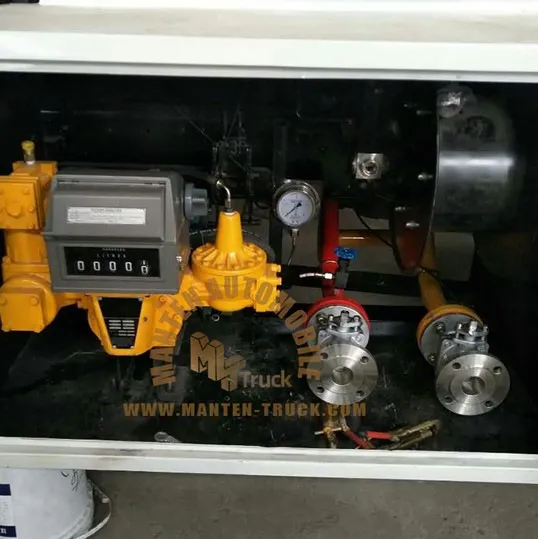
Manten's lpg bobtail truck range provides a starting point for a configuration enquiry. Give the supplier the delivery task and receiving interface before selecting a model. A photograph can show the overall arrangement, but it cannot establish the compatibility of the fittings hidden within equipment compartments.
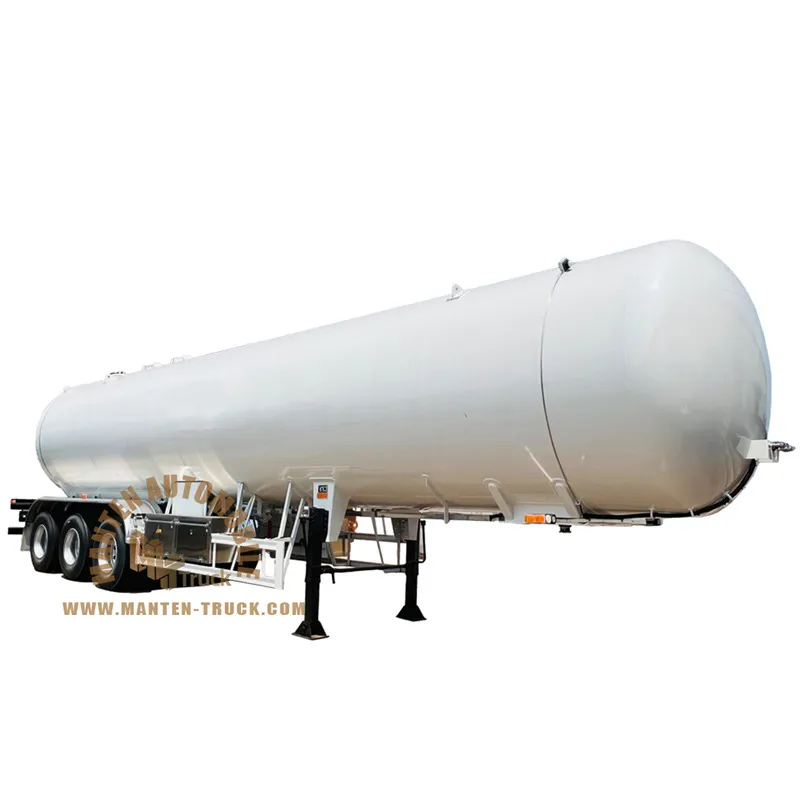
An LPG tank trailer carries its tank on a trailer chassis and requires a compatible tractor. It is often considered for bulk transport where the route and receiving facility can accommodate the complete combination. Capacity and equipment still depend on the actual trailer and destination specification.
The tractor-trailer interface introduces purchasing questions beyond the tank itself. Confirm coupling compatibility, complete dimensions, braking interfaces, axle distribution and the tractor's suitability. A tank trailer quotation should make clear whether the tractor and any transfer equipment are included or supplied separately.
The World Liquid Gas Association's bulk road tanker management guide treats tanker management as a coordinated activity. For buyers, the practical implication is to connect vehicle selection with the organization's maintenance, inspection and operating arrangements. The trailer is part of a distribution system rather than an isolated tank purchase.

Compare both candidates against the same route record. Avoid filling the table with generic capacity ranges when the actual vehicle data is available. A smaller vehicle may make access easier on a particular route, but the complete swept path and parking position still need assessment.
Selection field | LPG bobtail | LPG tank trailer |
Vehicle format | Tank on a rigid truck chassis | Tank trailer with a suitable tractor |
Delivery task | Assess customer-stop pattern and quantity per stop | Assess bulk quantity and facility-to-facility route |
Site access | Check complete truck dimensions and turning needs | Check complete combination and articulation path |
Transfer package | Confirm pump, meter and hose scope for the order | Confirm supplied equipment and receiving-system interface |
Mass assessment | Completed truck and individual axle loads | Tractor, trailer, coupling and axle loads |
Fleet organization | Truck and tank work as one vehicle | Tractor availability and trailer scheduling also matter |
Operating cost should be assessed over the actual route. Record travel time, time at each receiving point, loading availability and return journeys. A tank that carries more on one trip can still be a poor match if access restrictions prevent it from reaching important customers. Conversely, a vehicle suited to narrow delivery locations may require more trips for a large single receiving facility.
Keep cost comparisons consistent. Include the necessary tractor where relevant, the specified transfer package, inspection arrangements and maintenance support. Otherwise, a lower equipment price may simply reflect a different supply boundary.
A bobtail deserves consideration when the route contains several receiving points and the truck must move repeatedly between delivery positions. Map the most restrictive location, including the entrance, internal turns, parking area and exit. Access should be assessed using the proposed vehicle's real dimensions and turning characteristics.
The UK's HSE guidance on bulk LPG storage sites includes tanker access among the receiving-site responsibilities. It illustrates why a customer location is part of the vehicle brief. Apply the destination's own requirements and the LPG supplier's site assessment rather than transferring one country's arrangements to every project.
Prepare a stop profile that records expected delivery quantity, receiving equipment, available delivery window and travel distance between customers. Include seasonal changes where they affect the business. This helps determine whether a candidate can complete a useful route within the fleet's working arrangements without turning a general small-truck preference into an unsupported productivity claim.
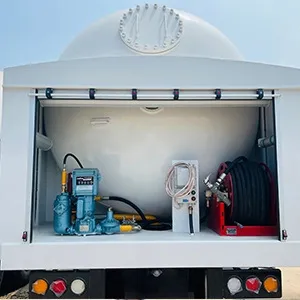
Also establish the metering requirement. Billing and transfer arrangements may require particular equipment or approvals in the destination market. Ask for the exact supplied system and its documentation; the word dispenser in a sales discussion should not stand in for an agreed equipment specification.

A tank trailer is worth evaluating when the business moves substantial quantities between locations that can receive the complete combination. The relevant comparison is the documented usable load, route time and receiving capability of the proposed vehicle, rather than tank appearance or nominal volume alone.
Review the loading terminal and receiving facility together. Identify vehicle restrictions, designated parking, connection interfaces and the equipment responsible for transfer. Do not assume a trailer will unload effectively at a facility simply because both sides handle LPG. The receiving system's approved requirements belong in the technical enquiry.
Fleet scheduling can also affect the choice. A business with suitable tractors and established trailer maintenance may evaluate ownership and utilization differently from a company starting a dedicated delivery fleet. Confirm who supplies and maintains each part of the combination, how downtime is handled and which support documents accompany the tank and chassis.
A mixed distribution network may reasonably use different vehicles for different routes. Compare a depot-to-depot task separately from customer deliveries rather than forcing both into one vehicle specification.
For an lpg tank trailer enquiry, send a route and interface brief alongside the desired transport quantity. Include the LPG specification, loading and receiving locations, complete vehicle restrictions, required transfer package and destination documentation. For a bobtail, add the customer-stop pattern and the most restrictive site access information.
Distinguish tank water volume from LPG payload. Water volume describes a vessel capacity field; LPG loading mass depends on the product, applicable filling constraints and permitted vehicle masses. The US Department of Energy's propane basics explains that propane is stored as a pressurized liquid. Its fuel-specific description should not be used to assign a universal density, pressure or filling percentage to every LPG transport order.
Ask for an equipment list tied to the proposed model, a completed-vehicle mass assessment and the relevant tank and destination documents. Record the party responsible for confirming local acceptance requirements. Compare the same completed specification across suppliers so that an optional pump, meter or tractor does not disappear from the commercial review.
Video: Manten LPG tank trailer production process.

No. Volume and mass describe different quantities. The load also depends on the LPG specification, applicable filling conditions and the permitted masses of the completed vehicle or combination. Request the documented figures for the proposed order.
No universal equipment package follows from the vehicle name. Confirm whether a pump, meter, hose assembly and associated controls are included, and whether the supplied system meets the project's receiving and commercial requirements.
Provide access dimensions, turning and parking constraints, receiving-system interfaces and expected delivery quantity. Include the responsible site contact's technical requirements in the enquiry so that vehicle and facility compatibility can be reviewed together.
Build the decision around the route, receiving system and documented usable load. Send Manten a shared comparison brief for the candidate formats, then evaluate the completed proposals against the same delivery task. This produces a more useful selection than choosing solely between the labels bobtail and trailer.
Airport Refueling Truck vs. Hydrant Dispenser: Which System Fits Your Airport?September 24, 2026Airport fuel procurement often begins with a vehicle quotation, but the first decision should be more fundamental: does the apron need a self-contained airport refueling truck, a hydrant dispenser con...view
Height and Functions of Aerial Ladder Fire TruckApril 19, 2023With the aerial ladder fire trucks gradually being distributed to grass-roots units, the ability to rescue high-rise building fires has been further improved. However, the aerial ladder fire truck is ...view
The Thriving Truck Market: Driving Logistics and Civic UtilityJuly 7, 2023IntroductionIn a world where transportation and civic services are crucial for the smooth functioning of society, the role of trucks cannot be overstated. From logistics and transportation trucks that...view
Structure and Maintenance of Cement Mixer TruckJuly 12, 2023Cement mixer trucks are specialized trucks used to transport cement for construction. Due to their appearance, they are also commonly referred to as "snail vehicles". These trucks are equipp...view
How Modern Prisoner Transport Vehicles for Sale Enhance Public SafetyJanuary 26, 2024In today's world, maintaining public safety is of utmost importance. Law enforcement agencies constantly strive to ensure the safe transfer of prisoners from one location to another. This responsi...view
Record The Production Of Compressed Garbage Truck For Exporting ProjectMay 31, 2024In a momentous achievement that solidifies our commitment to environmental sustainability and international trade, our company has recently recorded the production of a fleet of compressed garbage tru...view